Vârciorova, 1939 – Reșița, 2013
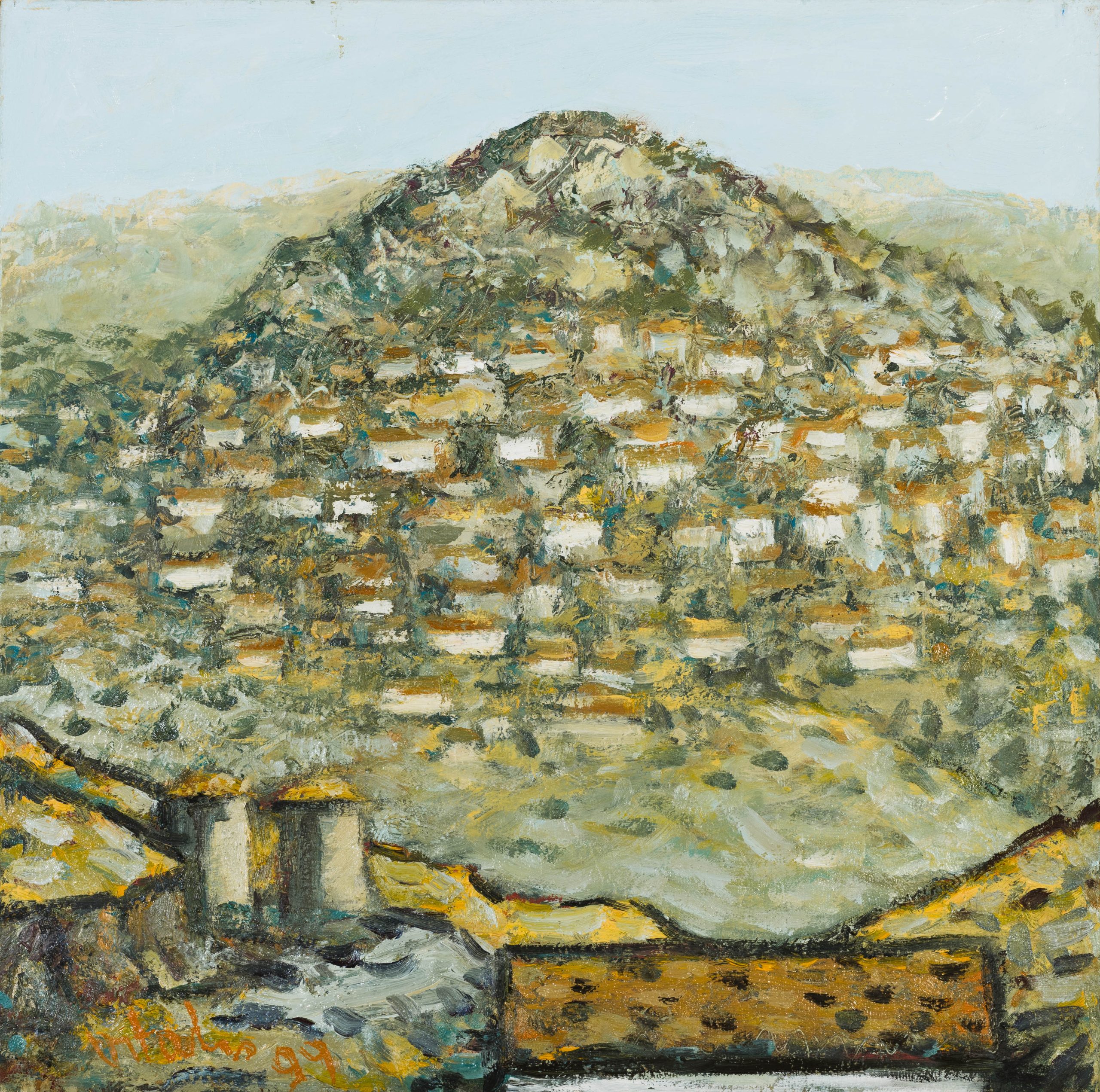
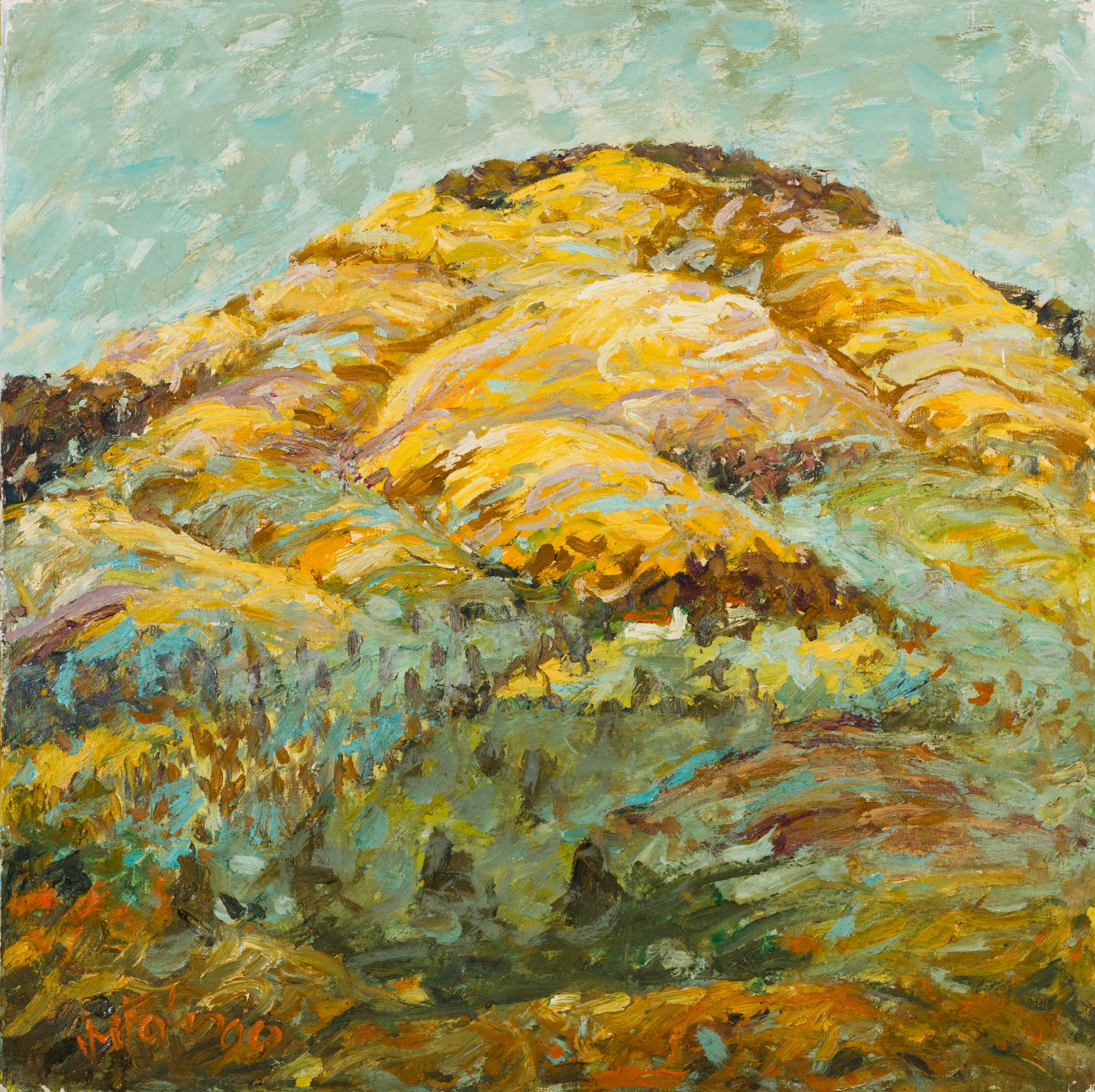
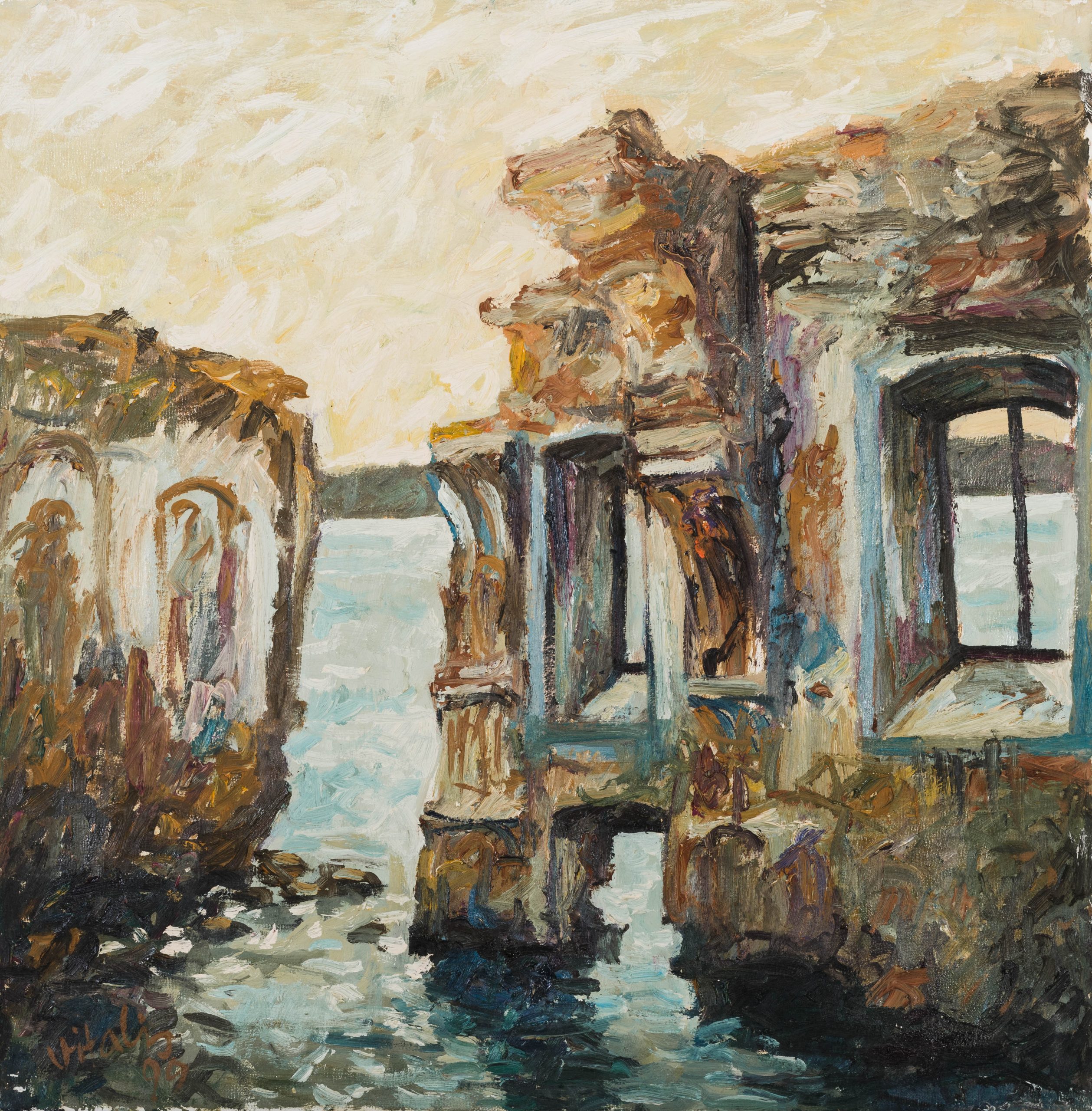
He studied at the School of Fine Arts in Timișoara. After graduating, he settled in Reșița. Since 1972 he was a member of the Union of Fine Artists of Romania. He also worked on a monumental scale, creating murals in Reșița and Mehadia. He was one of Romania’s most renowned painters, a dominant figure in the artistic life of the Banat province. For decades he was known for his monochromatic, greytoned paintings. In his later years, following a paralysis that forced him to work with only one hand, he turned to color with renewed vigor, creating impressive, vibrant expressionist compositions. A figurative painter, he mainly depicted landscapes of the Romanian countryside as well as village scenes (oil mills, warehouses, etc.), capturing a disappearing world. He participated in many state exhibitions in Romania (such as the County Salon of Reșița, 1974; the Salons of Timișoara, 1979–1994; the National Salons of Bucharest, 1979–1988, among others). He was awarded the First Prize in Landscape Painting at the National Professional Art Exhibition in Constanța (1988), and the Grand Prize at the Reșița Salon (1997). His work was shown in group exhibitions in Romania and abroad (Hungary, Moldova, Germany, etc.), and he also participated in international painting symposia. His solo exhibitions were held in Reșița, Caransebeș, other Romanian towns, and in Duisburg (Germany). His last solo show took place in 2013 at the Banatul Montan Museum in Reșița, in collaboration with his daughter, Ioana Cojocariu, an artist permanently residing in Sweden. In the same venue, in 2023 and within the framework of the 10th Sabin Păutza International Festival, his works were displayed in a group exhibition.
Cojocariu, Iulian Vitalis (Bebe)
Category
Artists