Myrina, 1903 – Myrina, 1992
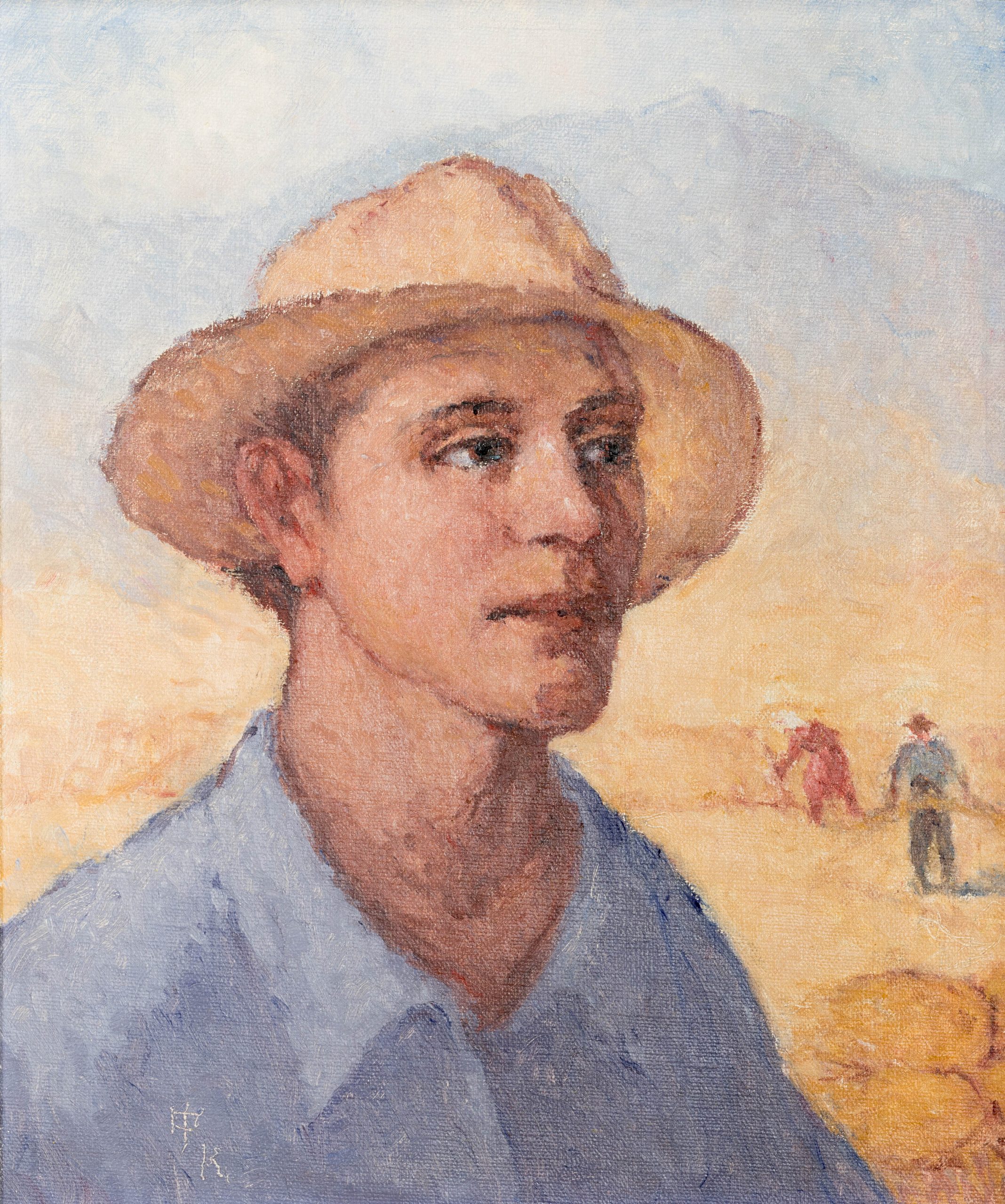
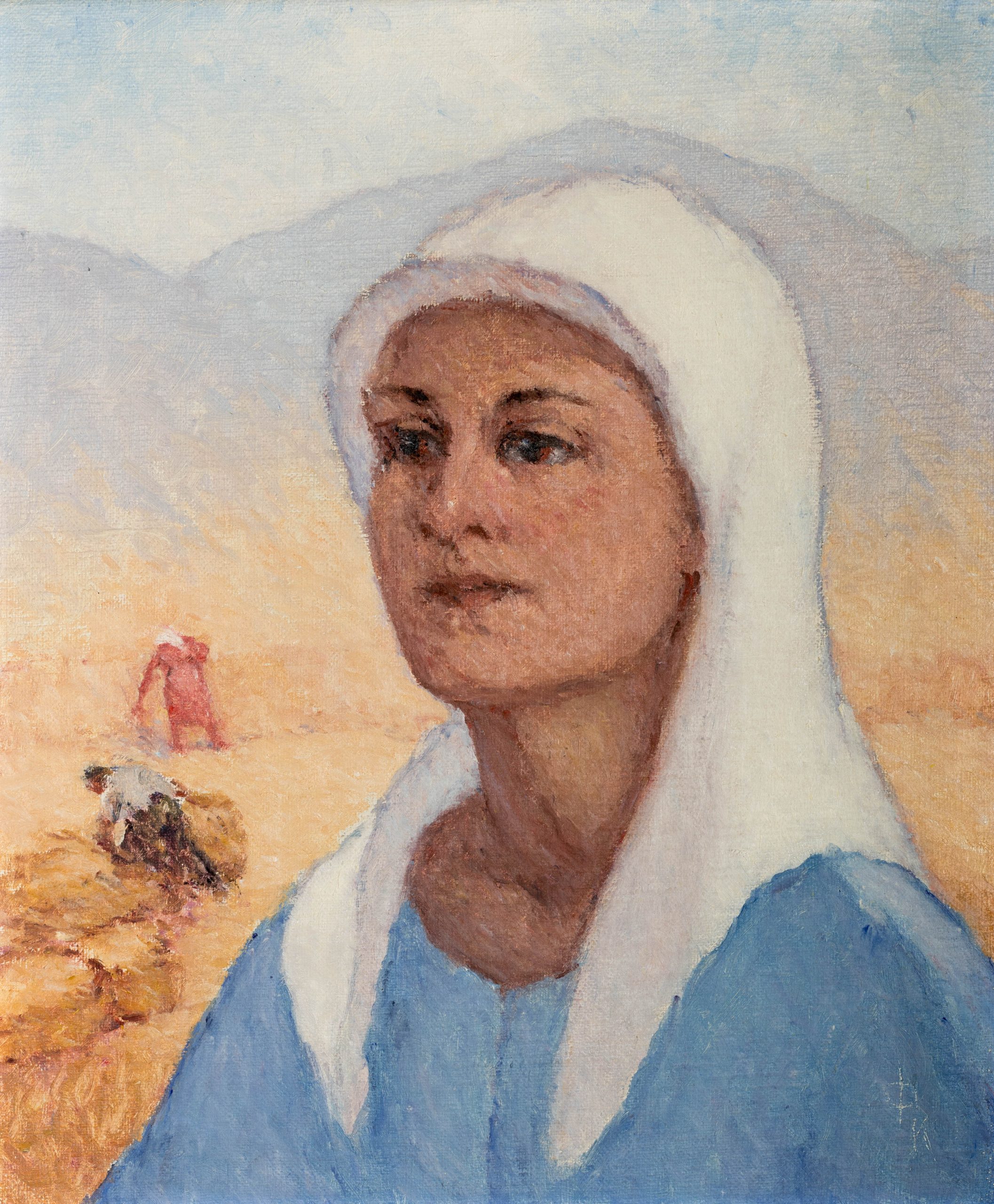
He spent his childhood and teenage years on the island. With the outbreak of World War I he enlisted as a volunteer. Shortly afterward, he worked as a stoker on ships. He settled in Boston, where his elder brother ran a restaurant. He studied at the Boston School of Arts, and with a scholarship he traveled to Italy to study the works of the great painters of the past. In the late 1920s he worked in Boston painting advertising billboards. He also taught painting at the College of Fine Arts in the city. He returned to Lemnos in 1937, where he opened a painting workshop in Romeikos Yialos. He worked in monumental art: he painted the Pantocrator and the Apostles in the Metropolitan Church of the Holy Trinity in Myrina, while in 1957 he executed free of charge the bronze relief of the Myrina War Memorial (depicting the allegorical f igure of Glory holding a naked, dying warrior). A figurative painter, he made portraits on commission for his livelihood, but he was especially interested in Lemnos’ landscape. He depicted fishermen and farmers, traditional villages, picturesque island views, and still lifes. His style followed the academic realism spirit, though influenced also by Impressionism. He had participated in several group exhibitions in Greece. In 2010 his works were shown at the Contemporary Balkan Art Gallery of Kontias.
Karavias, Fanis
Category
Artists