New Jersey, 1922 – New York, 2008
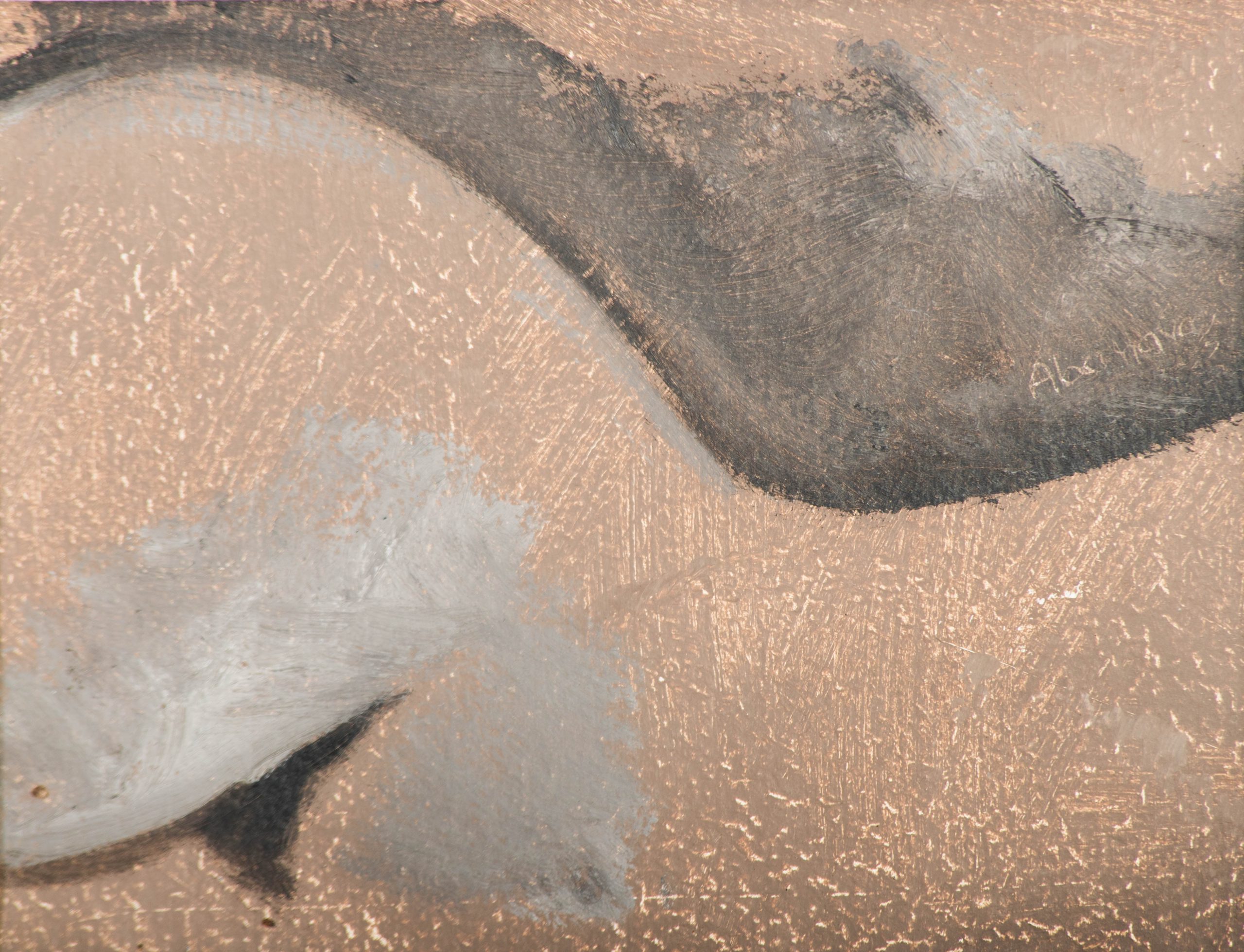
Born in the United States, he grew up on the island of Lemnos. In 1938 he returned to America and settled in New York. He studied painting at the American Artists School and at the Art Students League in Manhattan. During World War II he served in the Navy. His first solo exhibition took place in 1946, featuring works created while he was at the front. In his later years, he moved his studio to Manhattan’s SoHo. He primarily devoted himself to painting, though he also created sculptures and mosaics. His themes often drew on memories of his childhood in Lemnos: landscapes, f ishermen, daily life, and religious traditions. Another major body of his work was inspired by New York, reflecting the city’s landscape and urban life. Stylistically, his paintings embraced Expressionism; over time, he adopted more abstract approaches and frequently incorporated everyday objects, engaging with postwar art movements and highlighting the concept of recycling. He gained wider recognition in the U.S. with his solo exhibition ‟A Cycle of Religious Paintings” at the Contemporary Arts Gallery in Manhattan (1948). From then on, he presented his work in solo shows in New York and other American cities, while also participating in many group exhibitions in the U.S. and internationally. In 2024, the Homme Gallery in Washington hosted the first retrospective of his work, ‟Where Islands Converge: A Journey from Lemnos to Manhattan”, curated by his grandson, Chris Abanavas.
Abanavas, Constantine
Category
Artists